
Museums
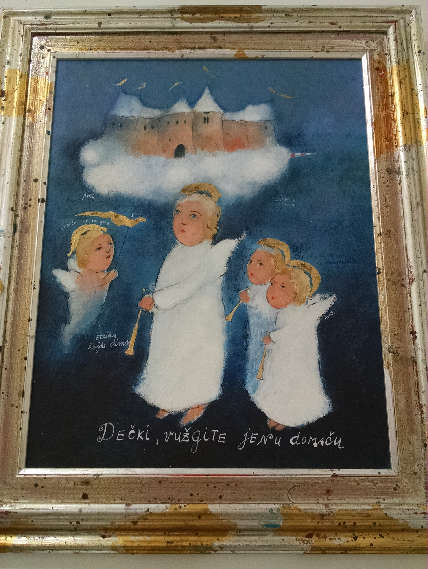
Angels Museum
|
Varaždin
Angels Museum is not one very cute museum, but also a gallery of modern art, with a lot of Kaikaivan motives. We also recommend you to visit these places by the same author Željko Prstec: ... |
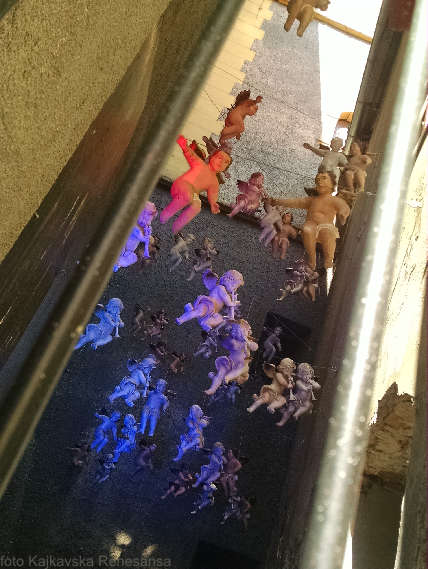
Angelinjak
|
Varaždin
Around the corner, in a place hidden from accidental by-passers, there are angels dwelling. it is Angels-place in Varaždin. ... |
Stari Grad

|
Đurđevac
Old City of Djurdjevec was built at the end of 15th century, and is famous for the defence of the fort against the Turks. The legend says that during an exhausting siege of the Turks, the defenders shot their last rooster from the cannon on the Turks, which made them leave in belief defenders were provided with lots of food. ... |
Zagreb City Museum

|
Zagreb
Zagreb City Museum is like museum of a city which has been for centuries cultural, spiritual and administrative centre of Kaikavian kingdom Slavonia also a museum of Kaikavian history. ... |
Prehistoric site with ellipse shape
|
Šenkovec
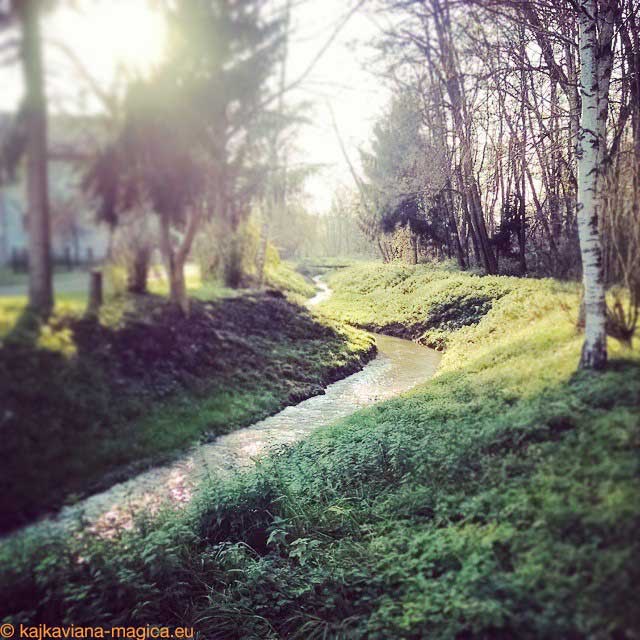
5 minutes car-drive from Čakovec, above the gothic chapel in Šenkovec, in the forest on the hill there is another suprise hidden - prehistoric site which most probably had ellipse shape! ... |
Kajkaviana Croatica

|
Donja Stubica
The society Kajkaviana has got the most valuable collection of Kaikavian written heritage in whole Kaikavian region. They are located in the beautiful castle Stubički Golubovec. Stubički Golubovec castle is hidden in the forest, beside the road for Donja Stubic, and is surrounded with english gardens. ... |
Museum of Krapina Neanderthals

|
Krapina
Museum of Krapina Neanderthals is located in Krapina, near to world famous Neanderthal site Hušnjakovo. Together with Hušnjakovo it is a complete complex for visit. The museum is made in modern architecture, according to the appearnce of Hušnjakovo cave that has collapsed. ... |
Open-air museum
|
Kumrovec
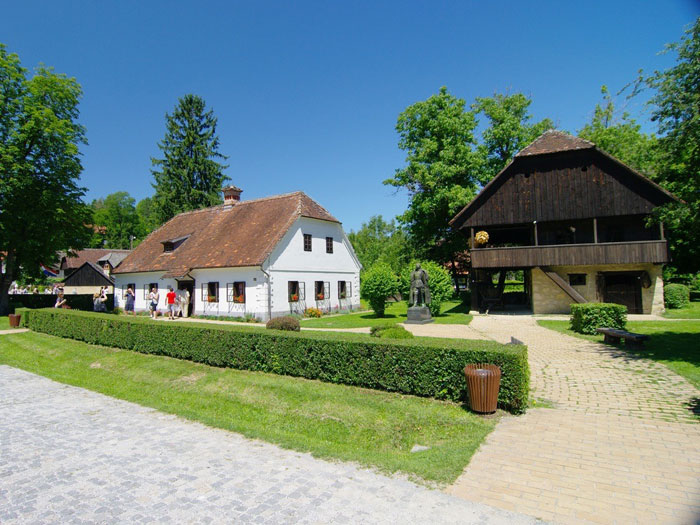
Etno open-air museum "Old village" in Kumrovec is unique museum that with some 30 objects of traditional Kaikavian architecture. It goes without some strong borders into traditional that people live in, so you can chill out in the musem having Đurek & Katica (small traditional chickens) jumping around. These two parts eventually form a whole unit - a village still alive with traditional life. ... |
Museum of peasant revolt - Castle Oršič
|
Gornja Stubica
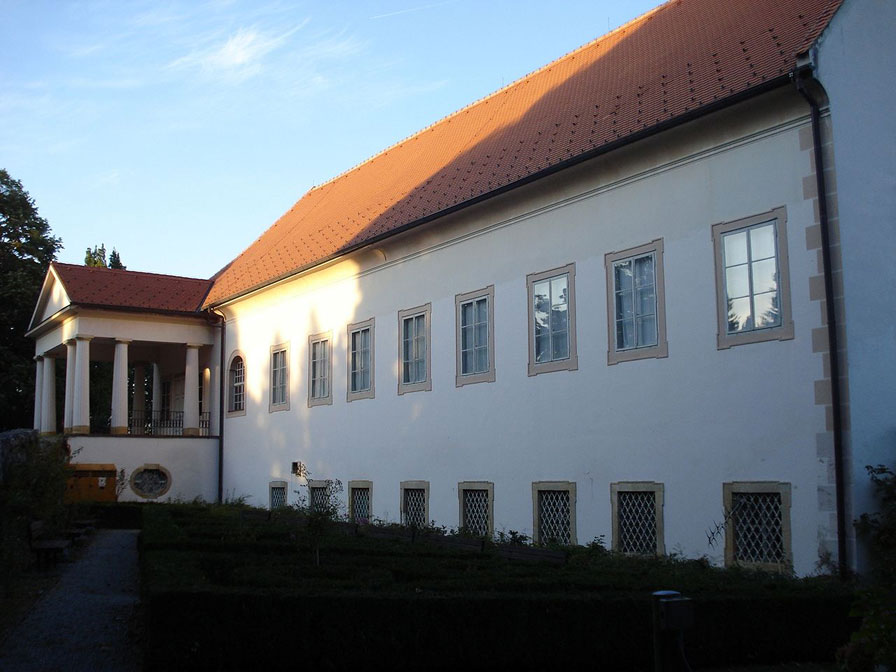
Museum of peasant revolt is located in Zagorje in baroque castle Oršić at Gornja Stubica. In this area we can find a castle every few kilometers, the beautiful castle Oršič is placed on a hill. It invites you to come out of the city hustle and bustle, and enjoy nice cultivated, aristocrate space of a castle and a park, to take a look at the museum collections or just sit on the terrace and enjoy. ... |
Museum "Croata Insulanus"

|
Prelog
Museum "Croata insulanus" is located in Prelog, an enteprenurial city "between Mura and Drava", leaned on Drava. The name Prelog tells us that the city was established on an old place where the river Drava was bridged - that is what Prevloak (štokavian Prevlaka) means, namely a place were something is shipped over the river. Prelog has been the centre od Lower Medjimurje from old times, which is clearly visible on many buildings in historicistic and Art Nouveau style, lots of them restored. There is also a marina in Prelog, on the Drava lake. It invites you to walk, on a small boat drive, jogging or cycling. ... |
Ogulin - Renaissance Castle

|
Ogulin
There is an international festival of fairy tales in Ogulin each year, and this manifestation is nicely accompanied by the renaissance castle of Frankopans. It is open to visitors and inside there is a museum now. ... |
Castle Ozalj

|
Ozalj
The begin of castle Ozalj dates into 13th. century, but already in 6th. ct. there were remains of Roman walls. In 17th ct. Ozalj was centre of so called "Ozalj literary circle" to which belonged also nobility Nikola, Petar and Katarina Zrinski and Fran Krsto Frankopan. The basis of Ozalj literary circle was the Kaikavian Ikavian dialect, which at these times was spoken in North Istria, Pokupje, parts of Turopolje and Sutla valley, and partly is still spoken there. ... |
The Old City

|
Sisak
Sisak is one of the oldest cities in Croatia with continuity of settlement. It's names changed from the times of Celtic Segestica, later Roman Siscia, then Kaikavian Sisek from 8. do 19. ct. to finally today's Sisak. Sisek was a capital of a country called in historic sources Lower Panonia, ruled by prince Ljudevit, who was very well known to Franks. Lower Pannonia encompassed the area of later Zagreb Bishopric (also coressponds to kingdom Slavonia in Middle Ages}, meaning the Kaikavian language area. According to linguists Kaikavian language was differentiated from Proto-Slavonic already at the times of Ljudevit, so we can regard Sisek as 1st capital of 1st Kaikavian state. ... |
Manor house Modič-Bedekovič

|
Donja Lomnica
Wooden Villa Modić Bedeković was built in 1806. Now it is renovated and represents a unique example of traditional wooden architecture specific for Kaikavian region, thus being authentic Kaikavian heritage. It is located in Donja Lomnica, close to Velika Gorica and Zagreb. Some famous Croatian and Kaikavian writers like A.G. Matoš, August Šenoa and Dragutin Domjanić spent some time in it. ... |
Castle Trakošćan
|
Trakošćan
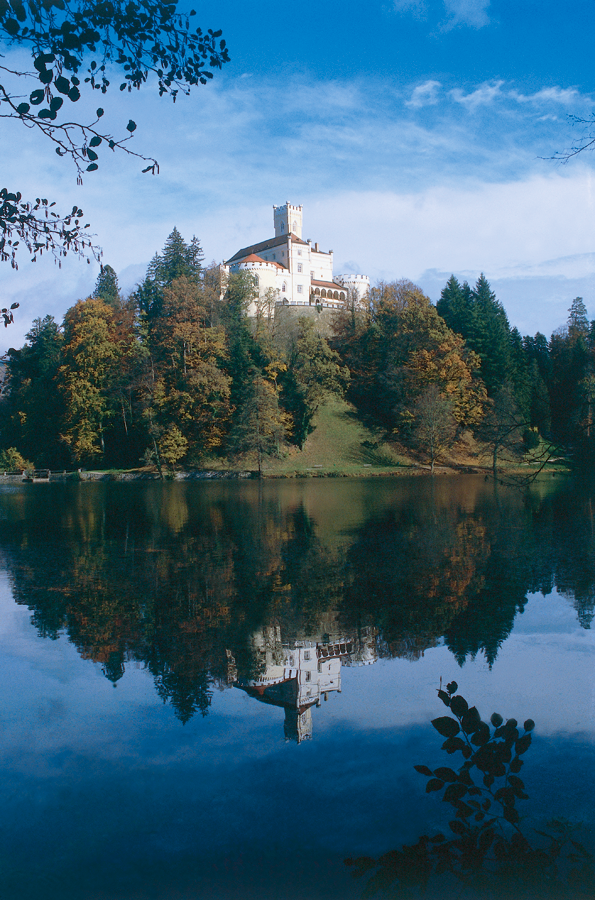
Trakošćan is a castle, but also a castle-museum. Its name probably comes from "Drako-stein/Drachenstein" or "Dragon-stone". Trakošćan preserved a lot of its original furniture and equipment. ... |
Castle Veliki Tabor
|
Desinić
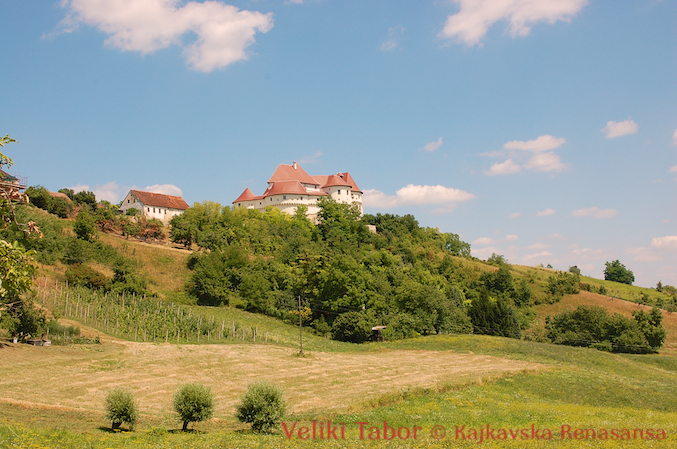
Beautifully restaurated castle, it offers you unforgetable experience of a Central European castle (original Renaissance ovens & furniture from North Germany) with a view on Zagorye hills. Pictures tell more than words. They offer a guided tour in English and Croatian, and also workshops and plays! ... |
Museum of Matija Skurjeni

|
Zaprešić
Museum of Matija Skurjeni is located in beautiful villa "Novi dvori" in Zaprešić, displaying the whole oeuvre of Matija Skurjeni, and with museum gugide. His most important works are at display: oil on canvas, drawings and graphics. ... |
-


